Some years ago after explaining to a customer that the pink in her chicken was a natural effect of the smoking process and genuinely thinking the information was well received. When clearing the table and reading the 1 star rating on her comment card with the message ‘I’m a chef, I know chicken shouldn’t be pink, all I needed was an apology not lies. I won’t be back’. I was saddened as she had left no contact on the comment card and left that day feeling like she had been lied to. From then I had the information written on my menus.
If you’ve ever sliced into a beautifully smoked chicken only to see a blush of pink near the bone or just under the skin, you might have worried that it was undercooked. It’s a common reaction because we’ve been conditioned to think pink poultry equals danger. In reality, properly cooked smoked chicken can retain a rosy hue due to chemistry, not rawness. This article digs into the science behind that colour and explains how to ensure your bird is safe while still juicy and delicious.
The Role of Myoglobin
Meat colour comes from myoglobin, a heme protein that stores oxygen in muscle tissue. Dark meat (legs and thighs) contains more myoglobin than white meat (breast), which is why it starts out a deeper red and can stay pink longer[1]. In young chickens—most broilers are only six to eight weeks old—the bones are still relatively porous. When heated, purple marrow rich in myoglobin can leak into the surrounding meat, staining it pink even if the meat is fully cooked[2]. Freezing exacerbates this effect because ice crystals can puncture the bones and release more marrow[3].
Smoke Rings and Nitric Oxide
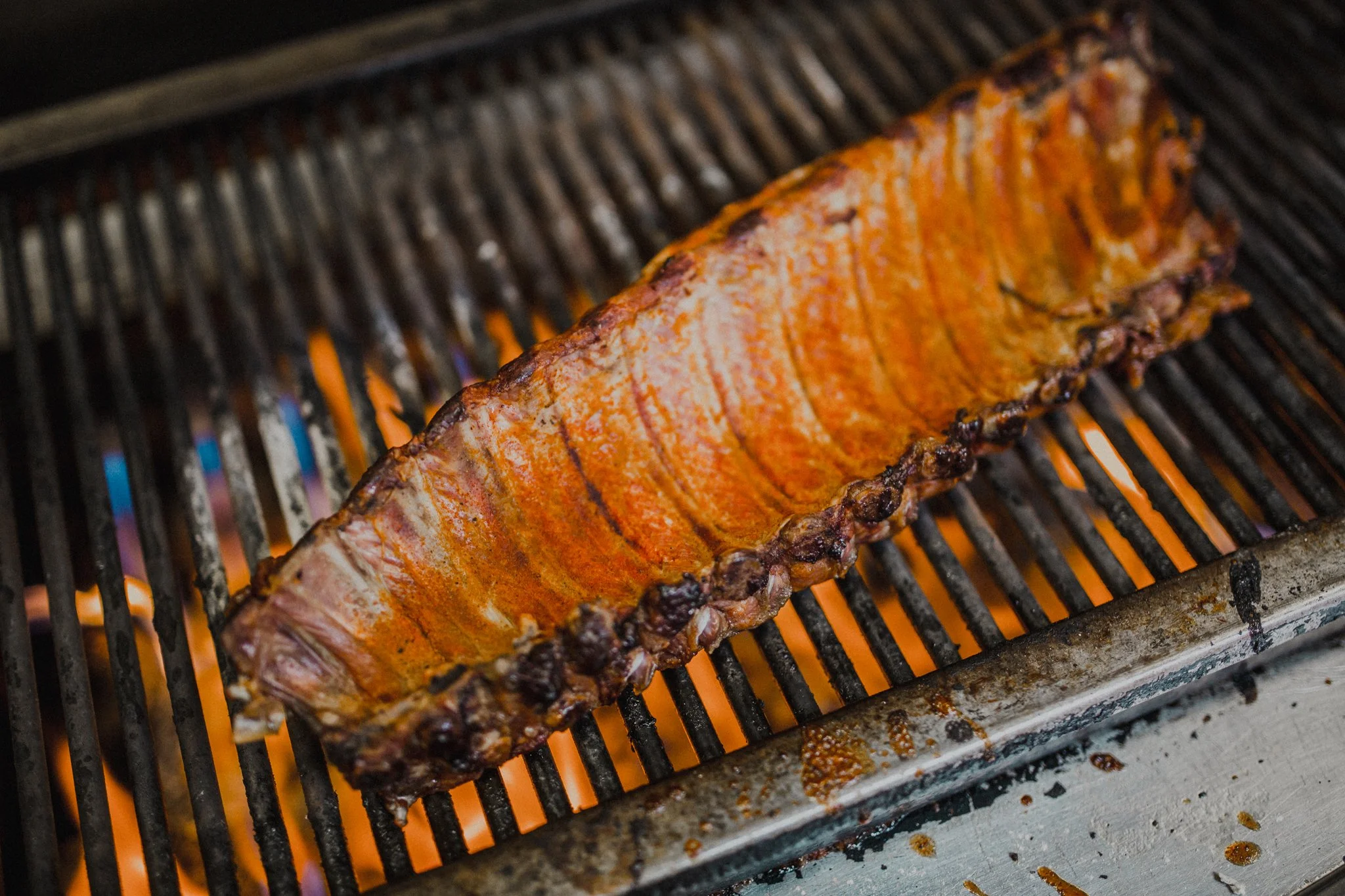
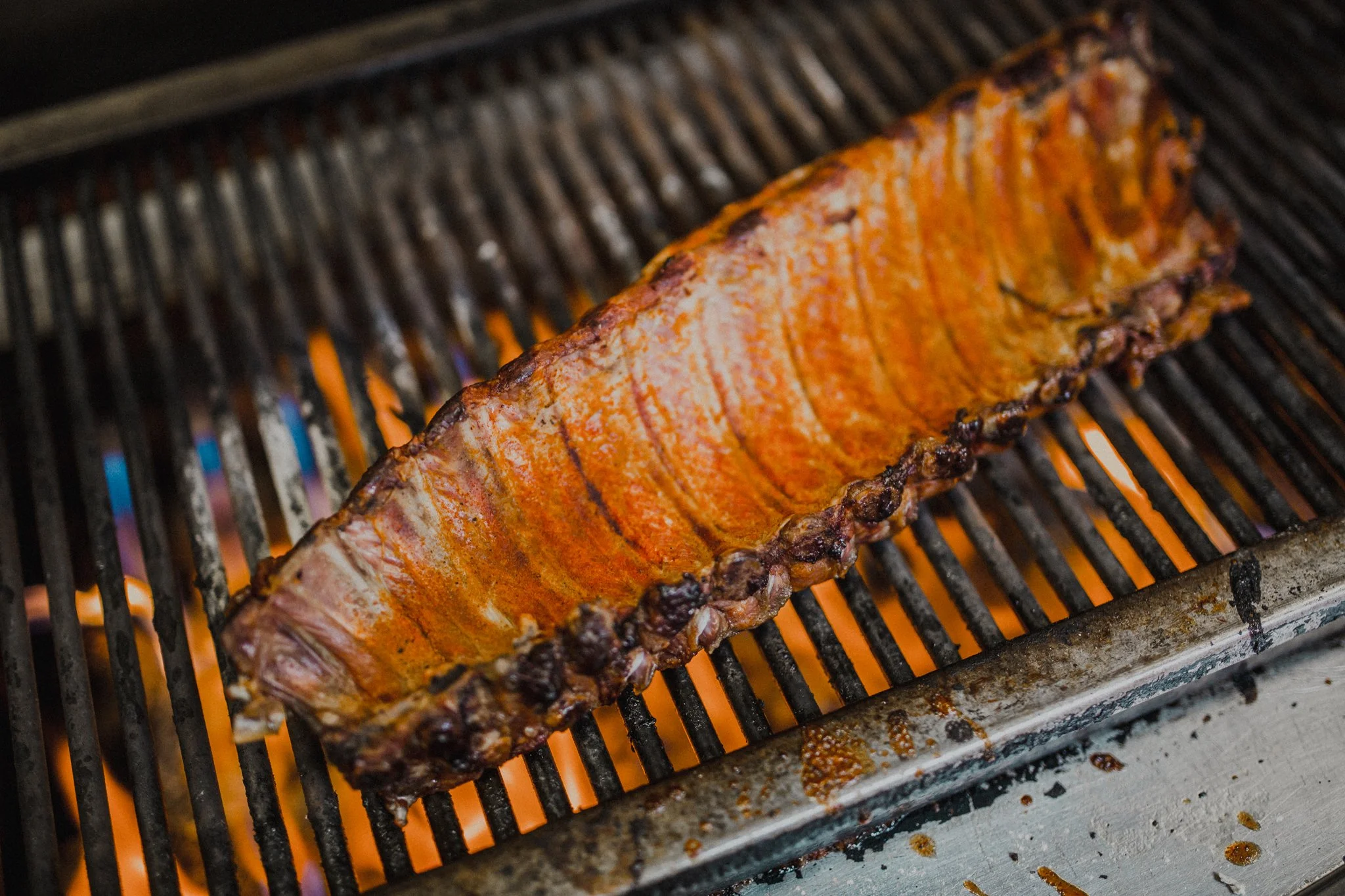
The coveted smoke ring seen in brisket, ribs and sometimes poultry is another reason smoked chicken stays pink. When wood or charcoal burns, it produces gases such as nitrogen dioxide (NO₂), nitric oxide (NO) and carbon monoxide (CO). These invisible gases dissolve on the moist surface of the meat and bind with the iron in myoglobin to form a stable pink pigment called nitrosomyoglobin[4]. Because the gases can only penetrate the outer layers before heat denatures the protein, the smoke ring typically sits in the top ⅛‑ to ½‑inch of the meat[5].
Pitmaster and barbecue scientist Greg Blonder notes that the smoke ring is not created by the visible plumes of smoke, but by the reaction between myoglobin and NO/CO; a clean burn with thin, blue smoke actually produces more reactive gases[6]. This ring doesn’t affect flavour or tenderness—it’s just visual evidence of low‑and‑slow cooking[4].
pH and Oven Gases
Several other factors can preserve a pink colour in cooked poultry:
Higher pH: Meat with a higher pH (lower acidity) retains a pink hue to higher temperatures. Stress before slaughter, animal diet or how the meat is handled can all influence pH[7].
Oven Gases: Gas ovens and smokers generate small amounts of nitric oxide that can fix the colour of myoglobin, resulting in pink spots even at safe internal temperatures[8].
Nitrates/Nitrites: Preserved meats or feeds may contain nitrates and nitrites, which convert to NO during cooking and cause the same reaction as wood smoke[8].
Colour Isn’t a Safety Indicator
The most important takeaway is that colour alone doesn’t tell you whether chicken is safe. Food safety experts emphasise that pink or bloody‑looking poultry can be safe to eat as long as it reaches the proper internal temperature[9]. ThermoWorks, a leading authority on food thermometers, warns that relying on firmness, juice colour or “when the juices run clear” leads to overcooked, dry meat; pinkness can stem from pH or smoke reactions unrelated to temperature[10]. Meathead Goldwyn and other experts say only a good digital thermometer can confirm doneness[11].
some tips from grey horse - smok’d
Follow these steps to enjoy smoky chicken with confidence:
Cook to temperature: Cook poultry to 70°C for at least 2 minutes, or reaching 75℃ will make it ready immediately. Insert the probe into the thickest part of the breast or thigh, avoiding bone. Once it hits 165 °F.
Let it rest: After pulling from the smoker, rest the chicken for 10–15 minutes. Carry‑over cooking will increase the internal temp a few degrees and help juices redistribute.
Use acid marinades: If pinkness bothers you, marinate the chicken in acidic ingredients like citrus or vinegar. Lowering the pH reduces myoglobin’s stability and minimises pink colour
Avoid bone‑in cuts: Boneless breasts or thighs eliminate the bone marrow effect that can stain meat pink
Conclusion
A blush of pink in smoked or roasted chicken doesn’t automatically mean it’s undercooked. Factors like young bones, myoglobin chemistry, pH and reactions with smoke gases can all preserve a rosy hue even after the meat has reached a safe internal temperature. Use a reliable instant‑read thermometer, trust temperature over colour, and enjoy your perfectly smoked chicken without fear.